Integrated roof, solar, and battery systems for modern Los Angeles homes
Integrated roof, solar, and battery systems for modern Los Angeles homes
How Long Does a Roof Last?
Date:02/10/2026
Category: Roof System
By: Yuvi Sasson
7 min read
How long a roof lasts depends on the type of roofing system, how well it was installed, and the conditions it has been exposed to over time. In Southern California, some roofs can last 30 years or more, while others may start failing much sooner. Understanding what actually affects roof lifespan helps homeowners plan ahead instead of waiting for leaks or unexpected damage.
In Southern California, the most common roof types I see are asphalt shingles, flat roofs, and tile roofs. In certain areas, especially after the recent Los Angeles fires, metal roofing has also become more popular.
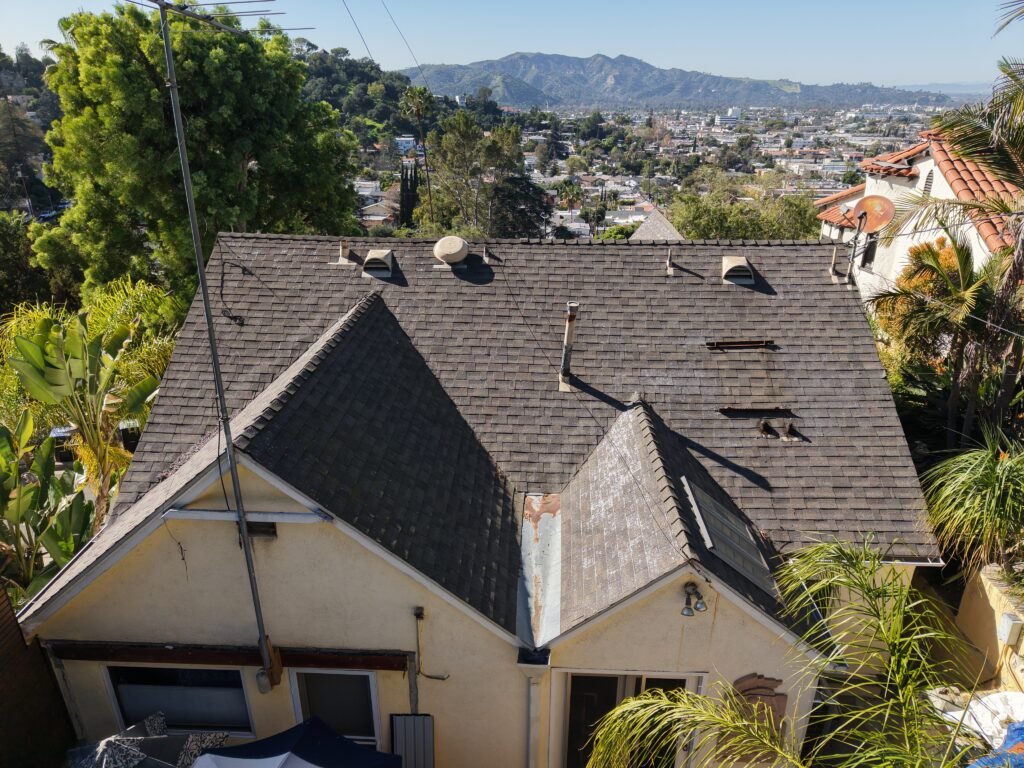
For asphalt shingles, manufacturers often advertise 30 years or more, but in real life, it depends heavily on installation quality and ventilation. A well-installed shingle roof can last close to 30 years, but most homeowners start seeing issues closer to the 20 to 25 year mark.
Flat roofs typically have a shorter lifespan. Depending on the system and installation quality, many flat roofs last around 10 to 15 years before they need major repairs or replacement.
Tile roofs are extremely durable on the surface, and the tiles themselves can last several decades. However, the underlayment and flashings beneath the tile usually do not last as long. In many homes, leaks start appearing after 30 to 40 years because the waterproofing below the tile has aged, even if the tiles still look fine.
The biggest misconception I see is the idea that if a roof is not leaking, it is fine. In reality, a leak is usually the final stage of a much longer problem.
Most roof damage can be identified before water ever enters the home. Worn materials, aging underlayment, failing flashings, and poor drainage are all warning signs. Replacing a roof before active leaks start is usually far less stressful and often less expensive, since leaks can lead to interior damage, mold, and unexpected repairs. There are usually clear warning signs before a leak ever starts.
Another misconception is that all roofs fail at the same age. Lifespan depends heavily on installation quality and material quality. Modern roofing systems, when installed correctly, can last longer and perform better than older systems.
Age alone does not tell the full story. When inspecting a roof, the condition of the materials matters far more than the number of years since installation.
I look closely at the surface materials, the underlayment, and the flashings around penetrations, chimneys, and transitions. A younger roof with poor workmanship can be in worse shape than an older roof that was installed correctly and maintained well.
Real-world examples from inspections
I worked with a homeowner in Sherman Oaks who had a shingle roof installed about 15 years earlier by an unlicensed contractor. To save money, older materials were used, and the installation quality was poor. Even though the roof was well under the typical lifespan for shingles, leaks began appearing around year 12.
On the other hand, I am currently preparing a roof replacement and solar installation for a home in Glendale. The roof is around 30 years old and has never leaked. The homeowner hired the original roofer himself decades ago, and the workmanship was excellent. While the materials are now worn and replacement is the right move, the roof performed well, far beyond what many people would expect.
Southern California does not experience constant rain like other regions, but it does have intense sun exposure and high UV levels for most of the year. UV radiation and heat cycles are some of the biggest contributors to roofing material breakdown.
Over time, UV exposure dries out materials, weakens protective layers, and accelerates aging. This is why choosing materials designed for UV resistance and energy efficiency is especially important in this climate.
Many roof failures come down to workmanship, even when good materials are used. Common issues include improper fastening, incorrect nail placement, poor flashing details, and shortcuts taken during waterproofing.
On flat roofs, improper torching or sealing can lead to premature failure. Small installation mistakes may not show up immediately, but they often reduce the lifespan of the entire system.
I usually tell homeowners they can wait if the materials are intact, the roof looks fair overall, and there are no leaks or signs of active failure.
I recommend starting to plan when the roof is showing signs of wear, is approaching the end of its expected lifespan, or when homeowners are considering future upgrades. Planning early gives more options and avoids rushed decisions.
I advise addressing the roof soon when there are visible signs of deterioration, past leak repairs, missing materials, or metal components that are bent or failing. Leaks, material breakdown, and compromised flashings are warning signs I take seriously.
Roof lifespan plays a major role in planning for solar, batteries, and other home upgrades. Replacing a roof is typically a one-time project, so it is important to coordinate it with future plans.
By planning roofing and solar together, homeowners avoid unnecessary costs, reduce future penetrations through a new roof, and create a cleaner, longer-lasting system overall.
If a roof is installed properly, there is no magic maintenance routine that dramatically extends its life. What does matter is proper water flow, clear drainage, and avoiding ponding water, especially on flat roofs.
What many homeowners think of as maintenance often involves major work, such as replacing underlayment under tile, which is really a large repair or replacement, not routine maintenance. True maintenance is about monitoring conditions and addressing small issues before they become larger problems.
Plan ahead. Do not wait for a leak to tell you something is wrong. Pay attention to warning signs, even if water has not entered the home yet. Early awareness leads to better decisions and far fewer surprises. If you’re unsure how much life your roof really has left, a professional inspection can give you clarity.