Integrated roof, solar, and battery systems for modern Los Angeles homes
Integrated roof, solar, and battery systems for modern Los Angeles homes
How to Pay for a Roof Replacement in California (Even If You Can’t Afford It Right Now)
Date:02/23/2026
Category: Roof System
By: Yuvi Sasson
6 min read
Replacing a roof in California is not a small expense. In 2026, most homeowners are looking at a project that starts in the mid-twenty-thousand dollar range and increases depending on material, size, and condition.
Very few people have that amount of cash sitting aside for an unexpected roof issue.
If you are trying to figure out how to handle this responsibly without putting your finances under pressure, this guide will walk you through what actually makes sense.
After working with homeowners across Southern California, three common patterns show up.
Many homeowners have strong equity but limited liquidity. Between mortgage payments, insurance, property taxes, and rising living costs, there is not always $25,000 to $40,000 readily available.
A roof replacement is often reactive, not planned years in advance.
It is common to see kitchens, bathrooms, and landscaping upgraded while the roof quietly ages. The problem is that the roof protects every improvement underneath it.
I have seen homeowners invest heavily inside the home, delay the roof, and then experience storm leaks that damage newly renovated areas. In those cases, postponing the roof made the total financial impact worse.
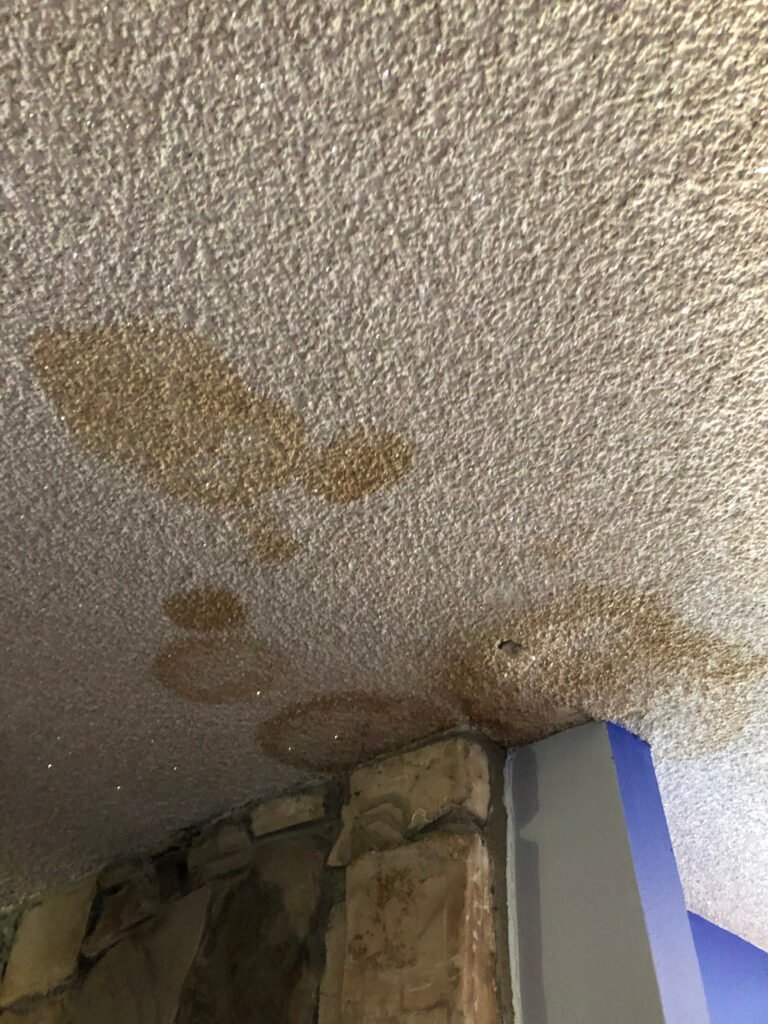
By the time water staining appears on a ceiling, moisture has already been entering the system. Delaying replacement can lead to insulation damage, framing deterioration, mold concerns, and higher overall repair costs.
Waiting rarely saves money long term.
Costs vary based on material type, access, ventilation upgrades, and whether decking requires replacement.
For a detailed local breakdown, you can read our full pricing guide here:
https://uv-roofing.com/how-much-does-a-roof-replacement-cost-in-los-angeles/
In general, for 2026:
-Composition shingle systems often begin in the mid-twenty-thousand-dollar range.
-Tile lift and reset systems with new underlayment frequently range from the high twenties into the forties, depending on square footage.
-Flat roof systems vary based on membrane type and roof complexity.
Every property is different, which is why inspection matters before discussing numbers.
How insurance works for roof replacement in California
Insurance coverage depends on cause.
In California, homeowners insurance typically covers sudden and accidental damage such as wind events, fallen trees, or significant storm impact.
Insurance policies are designed to protect against unexpected events, not age-related deterioration. If a roof has reached the end of its service life, insurance will usually consider it a maintenance issue rather than a covered loss. That distinction is important before filing a claim.
It does not cover:
-Normal wear and tear
-Aging materials
-Lack of maintenance
Many claims are denied because the roof has simply reached the end of its service life.
It is also important to know that homeowners are not required to use the contractor suggested by the insurance company. Proper inspection and documentation should happen before filing a claim.
If the roof is simply old, financing or structured payment options are usually the practical solution.
Roof replacement financing options in California
Most roof replacements today are financed through third-party lending programs.
Approval depends on credit profile and income, but typical term options range from ten to twenty years.
Realistic payment examples in 2026:
-A $25,000 roof financed over fifteen years may fall roughly between $250 and $300 per month, depending on the interest rate.
-A $35,000 project over fifteen years may range between $330 and $420 per month.
Longer terms lower the monthly payment but increase total interest paid over time.
The goal is not to create unnecessary debt. The goal is to protect the property while structuring the payment responsibly.
In certain situations, combining roof replacement with solar installation can make financial sense.
When planned properly:
Solar offsets part of the electric bill.
Some financing programs treat the project as an energy upgrade.
The monthly payment may replace existing utility costs instead of adding a separate expense.
If you are unsure whether your roof should be replaced before installing solar, you can review this guide:
https://uv-roofing.com/should-you-replace-your-roof-before-installing-solar-panels/
To understand solar ownership and financing structures in California, read:
https://uv-roofing.com/solar-lease-vs-ppa-vs-buying-which-option-makes-sense-in-california/
In one recent project, a homeowner combined roof replacement, solar installation, and a new air conditioning system. Her previous electric bill was approximately $600 per month. After the upgrades, her total structured payment remained in a similar range, while improving comfort and protecting the home long term.
That is restructuring expenses rather than simply adding another bill.
This is where risk increases.
Active roof leaks can lead to:
-Framing damage
-Mold growth
-Electrical hazards
-Interior drywall repairs
-Insurance non-renewal issues
A project that may have been contained can expand significantly once water spreads through the structure.
If active leaking is present, the conversation shifts from preference to protection.
The first step is determining urgency.
If the roof realistically has several years remaining, a plan can be created. That may include monitoring, budgeting, or preparing financing ahead of time.
If there is active leaking, exploring structured options such as financing, a combination of cash and financing, or a home equity line may be appropriate.
Clarity comes first. Pressure should not.
If you are unsure whether your roof is near the end of its life or has remaining service time, an inspection provides clarity.
You can schedule a consultation here:
https://uv-roofing.com/contact/
Understanding the condition and realistic options allows you to make a decision based on facts rather than urgency alone.
Yes. Many homeowners use third-party financing programs with terms ranging from ten to twenty years. Approval depends on credit profile and income, but financing is one of the most common ways homeowners handle roof replacement without paying the full cost upfront.
Insurance typically covers sudden and accidental damage such as storm impact or fallen debris. It does not cover normal wear and tear or aging materials. If the roof is simply old, replacement is usually considered a maintenance expense rather than an insurance claim.
If the roof has several years of service life remaining, planning ahead may make sense. However, if there is active leaking or structural risk, delaying can increase total repair costs. Financing can help prevent larger damage from developing.
In some cases, yes. When roof replacement is combined with solar installation, the financing structure may allow the homeowner to offset part of their electric bill. The key is evaluating the numbers carefully before committing.